
Ford F-150 FAQ: What Unionville Drivers Should Know
Ford F-150 FAQ: What Unionville Drivers Should Know
Posted on October 27, 2026
Choosing a pickup truck means finding the right balance between power, carrying capacity, comfort and running costs. Whether you need a dependable work truck, a vehicle for weekend projects or something that can handle both work and family travel, the right configuration makes a difference.
For drivers in Unionville, Ontario, the Ford F-150 offers several options to consider, including different engines, cab styles, cargo beds and available four-wheel drive. Understanding these differences can help you choose a truck that fits your daily routine without paying for capabilities you rarely use.
Here are answers to common questions about performance, towing, technology and ownership.
1. What makes the Ford F-150 a practical pickup truck?
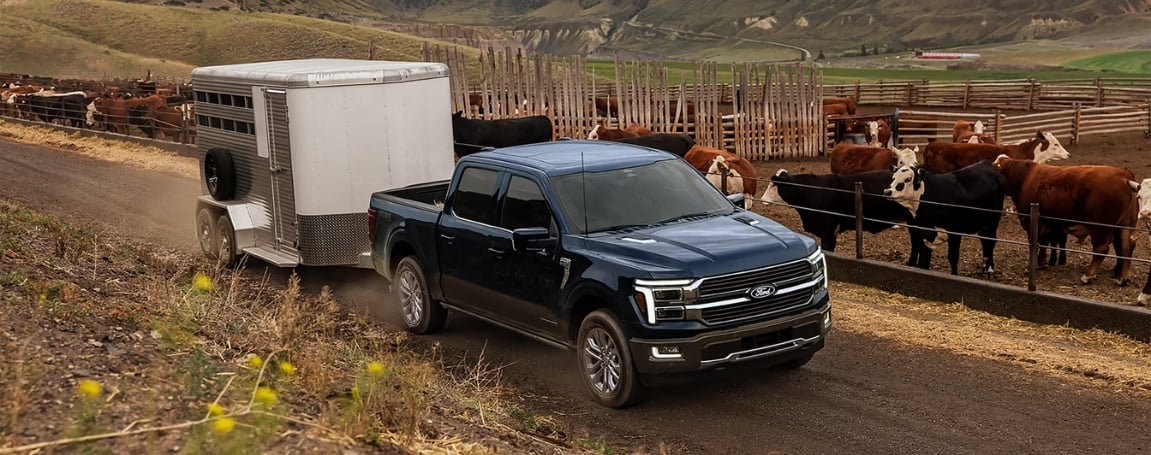
Versatility is one of this truck's main strengths. Different configurations allow buyers to prioritize towing power, payload capacity, passenger space or everyday comfort.
Contractors may value its cargo bed and available work-focused features, while outdoor enthusiasts may prefer four-wheel drive and towing equipment for recreational trailers. Drivers who use their truck for commuting can also consider cabin comfort, infotainment and available driver-assistance technology.
The best configuration depends on what you expect from your vehicle. Think about your typical cargo, towing requirements and daily driving before comparing trims.
2. What engine options are available?
Engine choices vary by model year, trim and configuration. Previous Canadian versions have offered several powertrains, including turbocharged EcoBoost V6 engines, a 5.0-litre V8 and a 3.5-litre PowerBoost full hybrid.
Some established configurations have the following published output figures:
- 3.5-litre EcoBoost V6: Approximately 400 horsepower and 500 lb-ft of torque.
- 5.0-litre V8: Approximately 400 horsepower and 410 lb-ft of torque.
- 3.5-litre PowerBoost hybrid: Approximately 430 horsepower and 570 lb-ft of torque.
These figures are configuration-specific references, not confirmation of the complete 2027 Canadian lineup. Engine availability and output can change by model year, so check the official specifications for the truck you're considering.
If you regularly tow heavy equipment, compare torque and towing ratings. For a mix of commuting and occasional hauling, fuel consumption and overall operating costs may be just as important.
3. How much can it tow?
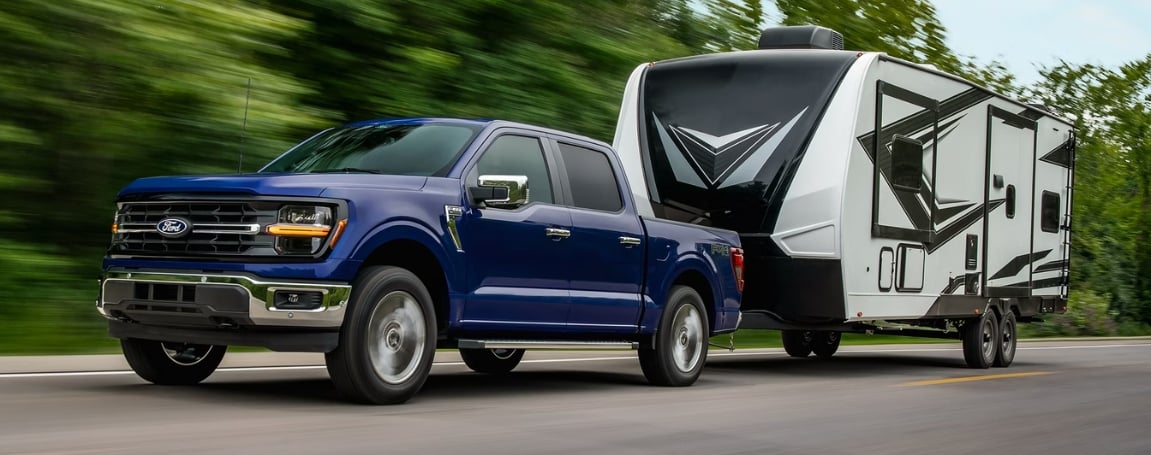
Maximum towing capacity can reach 13,500 lb (approximately 6,123 kg) on qualifying configurations from applicable model years.
However, that figure does not apply to every truck. Towing capacity depends on factors such as the engine, cab and bed combination, drivetrain, axle ratio and installed towing equipment.
Before choosing a truck for a boat, camper or work trailer, confirm its specific towing rating. You should also account for passengers, cargo and trailer tongue weight, as these affect the vehicle's available payload.
For regular towing, choosing a configuration that meets your requirements with an appropriate safety margin is more useful than simply selecting the highest advertised rating.
4. What is the maximum payload capacity?
Payload refers to the weight a vehicle can carry, including occupants, cargo and certain accessories. It is different from towing capacity, which concerns pulling a trailer.
Some configurations can carry more than 2,000 lb, but the actual limit varies by equipment and vehicle specification. Additional accessories, passengers and tools all contribute to the load.
Check the payload information for the specific truck and make sure the combined weight stays within its permitted limits. If you plan to carry construction materials, heavy tools or equipment regularly, payload should be one of your main considerations.
5. How much cargo space is available?
The cargo bed comes in different lengths, allowing you to choose between easier everyday manoeuvring and additional room for equipment.
Approximate reference figures for established bed configurations are shown below. Confirm the measurements for the specific model year before relying on them.
| Cargo bed length | Approximate volume |
| 5.5 feet | 53 cu. ft. |
| 6.5 feet | 62 cu. ft. |
| 8 feet | 77 cu. ft. |
A shorter bed may suit drivers who frequently park in urban areas, while a longer one can be more practical for lumber, ladders and larger supplies.
Consider how you will secure your cargo, whether you need a bed cover and how frequently you transport bulky items. These details can help determine which configuration is most practical.
6. Is it fuel-efficient?
Fuel economy depends on the engine, drivetrain, vehicle configuration and driving conditions. A hybrid powertrain may appeal to drivers who want strong performance alongside potentially lower fuel consumption, although actual savings depend on how the truck is used.
Towing, heavy payloads, cold temperatures and frequent short trips can all increase fuel use. Highway driving may produce different results from stop-and-go commuting around Unionville and Markham.
Compare official Canadian fuel-consumption ratings for the exact engine and configuration you plan to buy. If you drive long distances every week, even a modest difference in fuel consumption can affect your annual ownership costs.
7. Is four-wheel drive available?
Yes. Four-wheel-drive configurations are available on selected versions, depending on the model year and trim.
This capability can be useful on snow-covered roads, gravel surfaces and other low-traction conditions. However, the benefits depend on the terrain, tires and driving technique.
For Ontario winters, suitable winter tires remain important. Four-wheel drive can help the vehicle accelerate on slippery surfaces, but it does not eliminate the need for safe following distances or improve braking automatically.
Consider your usual driving conditions before deciding whether a four-wheel-drive configuration is worth the additional cost.
8. What technology features are available?
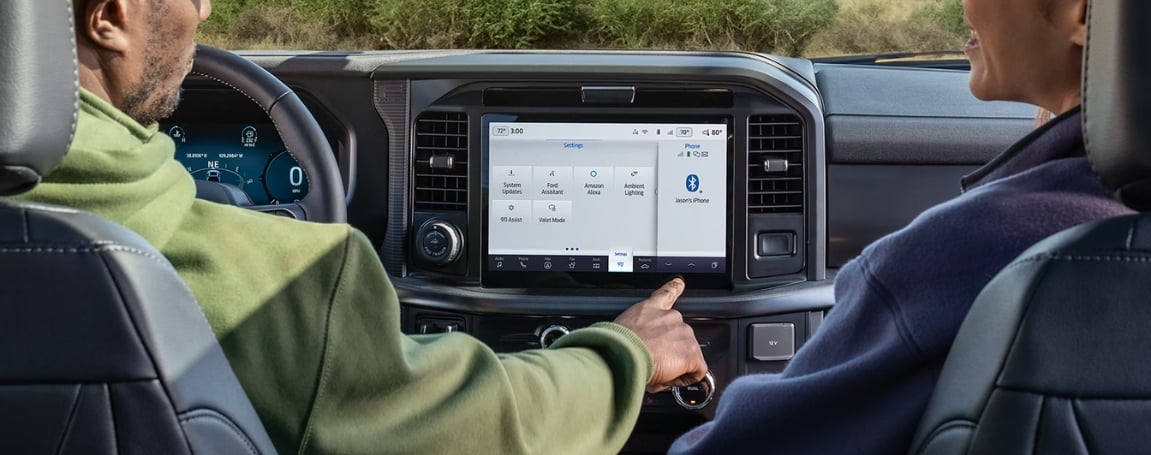
Technology varies across trims and model years. Depending on the configuration, equipment may include a touchscreen infotainment system, smartphone connectivity, navigation, a digital instrument display and connected services.
Selected versions may also offer Pro Power Onboard, which provides electrical power for compatible tools and devices. This can be useful for contractors working away from a conventional power supply or for certain outdoor activities.
Additional convenience features may include remote functions and towing-related technology, depending on the equipment package.
Before purchasing, review the specifications for your preferred trim. Some features are standard on particular versions, while others require an optional package or subscription.
9. What safety features can I expect?
Available driver-assistance systems depend on the model year, trim and selected packages. Depending on the configuration, features may include:
- Pre-Collision Assist with Automatic Emergency Braking.
- Blind Spot Information System (BLIS).
- Lane-Keeping System.
- Rearview camera.
- Adaptive cruise control.
- Selected trailer-monitoring and assistance technologies.
These systems can support awareness and help with certain driving tasks, but they do not replace the driver's attention.
If hands-free highway driving is important to you, check the availability and requirements of Ford BlueCruise for the specific vehicle. Capabilities, compatibility and package requirements can vary, and drivers must follow the system's operating instructions.
10. Is it suitable for daily driving?
A full-size pickup can serve as a daily vehicle when its size, fuel use and practical features suit your routine.
The cabin can provide comfortable seating and useful storage, while available technology can make commuting and longer journeys more convenient. The cargo bed is another advantage for drivers who regularly transport supplies, sports equipment or home-improvement materials.
There are trade-offs, however. A larger vehicle may be harder to park in tight spaces, and fuel costs can be higher than those of a smaller car or SUV.
If you regularly drive around Unionville and Markham, consider your parking arrangements, commute length and passenger needs before choosing a configuration.
11. How often does it need maintenance?
Maintenance schedules depend on the model year, engine, mileage and driving conditions. Routine care commonly includes oil and filter changes where applicable, tire rotations, brake inspections, fluid checks and battery testing.
Drivers who tow frequently or carry heavy loads should pay particular attention to the maintenance guidance for demanding use. Winter driving and temperature changes can also make tire condition, battery health and brake performance especially important.
Follow the schedule in your owner's manual and address warning lights, unusual noises or changes in vehicle performance promptly. Keeping records of completed services can also help you track the truck's condition over time.
12. Should I buy a new or used model?
Both options can be suitable, depending on your budget and priorities.
A new truck may offer the latest available equipment, a new-vehicle warranty and more opportunities to select your preferred configuration. A used one may provide a lower purchase price or access to a higher trim within the same budget.
When comparing pre-owned options, review the service history, mileage, accident records where available, mechanical condition and remaining warranty coverage. If the vehicle was previously used for commercial work or frequent towing, its maintenance history deserves particular attention.
Compare financing, insurance, fuel and maintenance costs as well as the purchase price. This gives you a clearer picture of long-term affordability.
13. Where can I find one in Unionville?
Markville Ford can help drivers explore available inventory, compare engine options and learn about towing packages, cab styles and other equipment.
Before visiting, consider your main requirements, such as how much you need to tow, the cargo you carry and whether four-wheel drive is important. This can help narrow the options and make your dealership visit more productive.
Find Your Next Pickup at Markville Ford
The right truck should match the work you do, the cargo you carry and the way you drive every day. Understanding engine options, towing limits, payload, fuel consumption and available technology can help you make a more confident decision.
Ready to explore your options? Visit Markville Ford in Unionville to compare available configurations, ask about current inventory and arrange a test drive.
Browse the official Markville Ford website to view available vehicles and find dealership contact information.
